Payment Wearables Explained: A Safer, Simpler Way to Pay
As the UK continues its shift towards a cashless society, the way we pay is changing quickly. Contactless cards and mobile wallets have become part of everyday life — but they don’t work equally well for everyone.
For many people, especially those with accessibility needs, traditional payment methods can still feel complicated or difficult to use.
That’s where payment wearables come in.
Designed to be simple, secure and easy to use, they offer a more accessible way to pay for everyday items.
What are payment wearables?
Payment wearables are devices that allow you to make contactless payments without using a bank card or smartphone.
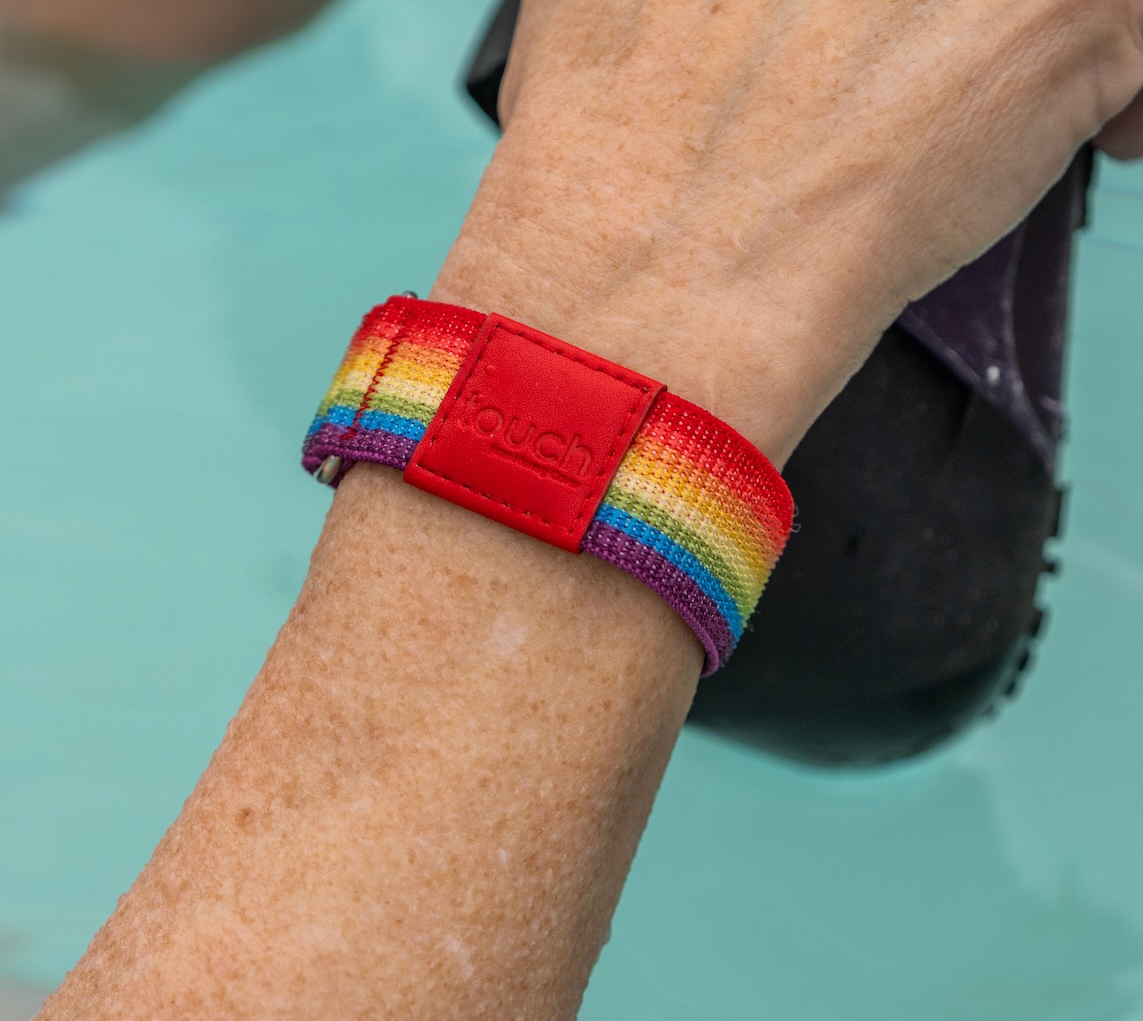
Most commonly worn as a ring or wristband, they connect securely to a payment card or account. To pay, you simply tap the wearable against a card reader — just like a contactless card.
What makes them different is how effortless they are to use.
Payment wearables:
- Don’t display your card number
- Don’t require a PIN for contactless payments
- Are always with you, reducing the chance of being lost or forgotten
They’re designed to remove friction from everyday transactions.
Introducing Touch from Money Carer
Touch from Money Carer is a range of payment wearables designed to make payments more accessible for everyone.
With a simple tap, users can make secure contactless payments without needing to carry a card or remember a PIN.
By simplifying the process, Touch helps people manage everyday spending more independently and with greater confidence.
Why payment wearables matter
While digital payments are convenient for many, they can present real challenges for others.
Research suggests:
- 1 in 5 older adults experience difficulty using chip-and-PIN machines
- Usability often declines with age or disability
- Over 10 million adults in the UK are considered financially vulnerable
For individuals with cognitive or physical challenges, remembering PINs, using small keypads, or navigating mobile apps can be frustrating — and sometimes impossible.
Payment wearables help remove these barriers.
Supporting independence and accessibility
Payment wearables are especially useful for people who:
- Struggle with memory or PIN recall
- Have limited dexterity or mobility
- Don’t use smartphones
- Prefer simple, consistent ways to pay
Because payments are made with a simple tap, users can handle transactions themselves without relying on others.
This can make a meaningful difference to independence, confidence and day-to-day life.
Security and peace of mind
Security is built into wearable payments.
Payment wearables:
- Use tokenisation, so real card details are never shared
- Can be paused or deactivated quickly if lost
- Remove the need to share PINs with carers or family members
For vulnerable individuals, this is particularly important. Reducing the need to share sensitive information helps lower the risk of financial abuse.
A practical solution for everyday life
Payment wearables are designed to fit naturally into daily routines.
They’re:
- Simple — no PINs or wallets required
- Durable — made to be worn all day
- Discreet — with no visible card details
- Reliable — always ready when needed
From buying groceries to paying for transport or a coffee, they offer a straightforward way to pay.
Financial inclusion in practice
As payment technology continues to evolve, it’s important that accessibility keeps pace.
Payment wearables are a step towards more inclusive financial services — helping ensure that people of all abilities can take part in everyday transactions safely and confidently.