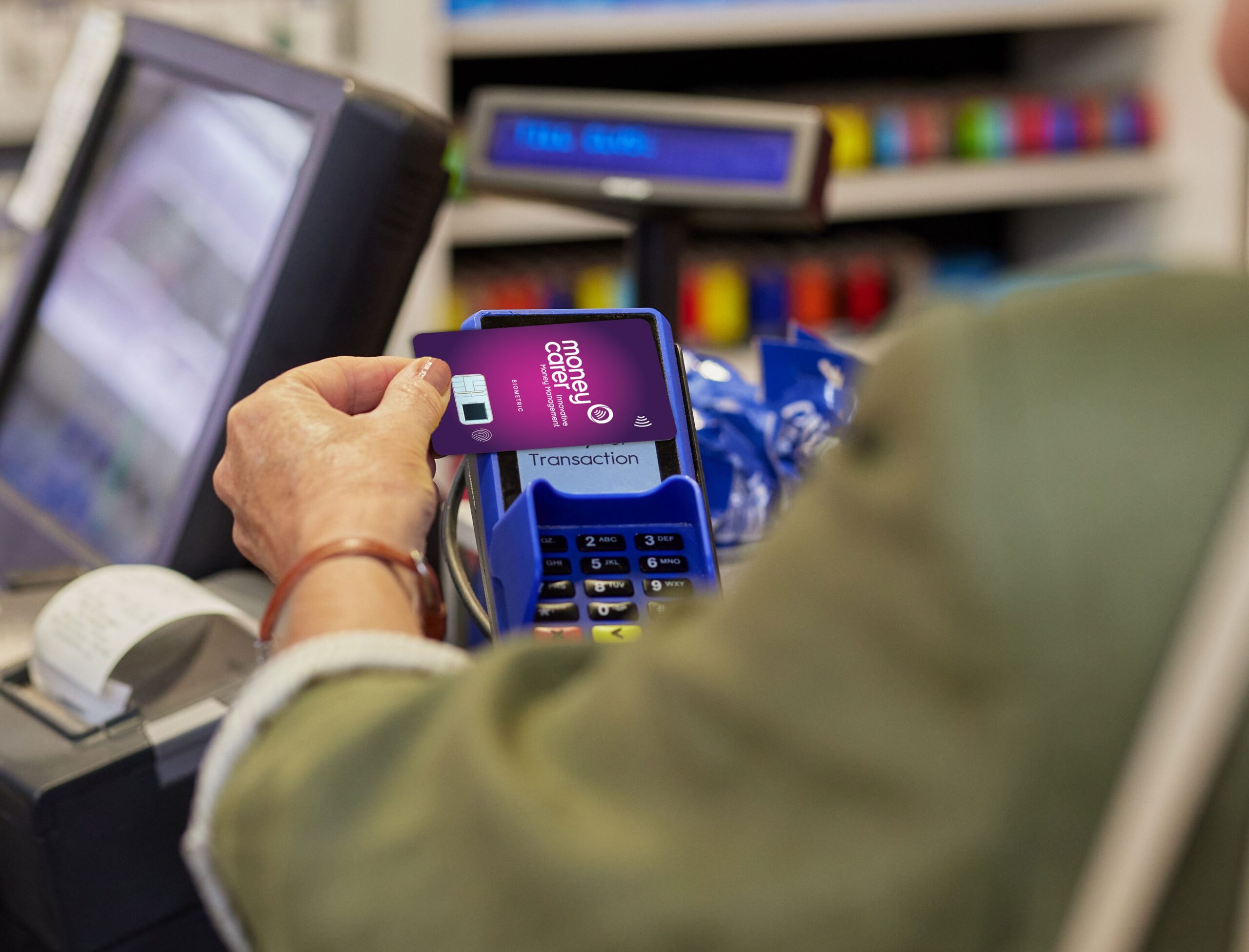
How can payment rings and tokenised biometric payment cards support financial inclusion?
As banking continues to move online, not everyone finds it easy to keep up. For many older adults, people with disabilities, or those with learning difficulties, everyday tasks like remembering a PIN, using a mobile app, or handling small cards can be challenging.
That’s where newer payment technologies — such as payment rings and biometric payment cards — can make a real difference. These tools aren’t just about convenience; they’re about making everyday money management more accessible, safer, and more inclusive.
What are payment rings and biometric payment cards?
Payment Rings
A payment ring is a small wearable device that allows you to make contactless payments with a simple tap. It uses NFC (Near Field Communication) technology — the same system used in contactless debit cards.
Because the ring is worn on your finger, it’s always with you and easy to use. It’s also completely battery-free, so there’s nothing to charge or maintain.
Payment rings can be linked to a managed account, allowing carers or legal representatives to oversee spending where needed, while still giving the individual independence in day-to-day transactions.
Biometric Payment Cards
A biometric payment card looks similar to a standard debit card but includes a built-in fingerprint sensor.
Instead of entering a PIN, the user simply places their finger on the card to approve a payment. This removes the need to remember codes while adding an extra layer of security.
Like payment rings, biometric cards use tokenisation — meaning real card details are replaced with secure digital tokens, helping protect sensitive information.
How these technologies support vulnerable people
Easier to use
For many people, simplicity is key.
Payment rings and biometric cards remove common barriers by offering:
- No PIN to remember
- No need to navigate apps or small keypads
- A simple tap-to-pay experience
This can be particularly helpful for those with memory loss, reduced dexterity, or limited experience with digital tools.
Safer and more secure
Both payment rings and biometric cards are designed with security in mind.
- Tokenisation ensures real card details are never shared during transactions
- Biometric cards can only be used with the registered fingerprint
- Devices can be deactivated quickly if lost
For vulnerable individuals, this reduces the risks associated with carrying cash or sharing PINs with others.
Supporting independence
These tools make it easier for people to manage everyday spending on their own.
For those supported under appointeeship or deputyship arrangements, this can be especially valuable. Individuals can make simple purchases independently, while carers or representatives can still monitor activity and set appropriate controls through platforms like Money Carer’s.
It’s a balance between independence and oversight.
Reducing digital exclusion
Not everyone has access to — or feels comfortable using — smartphones for payments.
Payment rings and biometric cards offer a simpler alternative. They provide the benefits of contactless payments without requiring apps, passwords, or ongoing digital interaction.
In doing so, they help bridge the gap for those who might otherwise be excluded from modern banking.
Why inclusive payment technology matters
As payment systems continue to evolve, it’s important that they work for everyone — not just those who are digitally confident.
Technologies like payment rings and biometric cards aren’t just innovations; they’re practical tools that can improve access, safety and independence for thousands of people.
At Money Carer, we believe financial services should be inclusive by design. By supporting and promoting accessible payment solutions, we can help ensure that no one is left behind as the world becomes increasingly cashless.